"Water-Efficient Lawns: Save Water, Save Money"
In the face of escalating water scarcity and climate change, maintaining a lush, green lawn can seem like a guilty pleasure. However, it doesn't have to be. By transitioning to a water-efficient lawn, you can enjoy the beauty of your outdoor space while conserving this precious resource. Let's delve into the world of water-wise landscaping and explore how you can create a sustainable, low-maintenance lawn that's kind to the environment and easy on the eyes.
Understanding Water-Efficient Lawns
Water-efficient lawns, also known as drought-tolerant or low-water-use lawns, are designed to thrive with minimal water input. They are not just a collection of hardy plants; they're a carefully crafted ecosystem that requires less water, fertilizer, and maintenance than traditional turfgrass lawns. By understanding the principles behind water-efficient lawns, you can create a sustainable landscape that supports local biodiversity and reduces your environmental impact.
The Benefits of Water-Efficient Lawns
- Water Savings: Water-efficient lawns can save up to 50% of the water used by traditional lawns, helping to conserve this precious resource.
- Cost Savings: By reducing water usage, you can lower your water bills and save on maintenance costs like fertilizers and pesticides.
- Environmental Impact: Water-efficient lawns help reduce runoff, prevent soil erosion, and support local wildlife, contributing to a healthier ecosystem.
- Low Maintenance: With fewer weeds, pests, and diseases, water-efficient lawns require less mowing, weeding, and overall maintenance.
Designing a Water-Efficient Lawn
Creating a water-efficient lawn involves careful planning and selection of appropriate plants, as well as implementing smart irrigation practices. Here are some key design elements to consider:


Choosing the Right Grass
Not all grasses are created equal when it comes to water efficiency. Warm-season grasses like Bermuda, Zoysia, and St. Augustine are generally more drought-tolerant than cool-season grasses like Fescue and Kentucky Bluegrass. However, it's essential to select a grass species that's well-suited to your climate and soil conditions.
Plant Selection
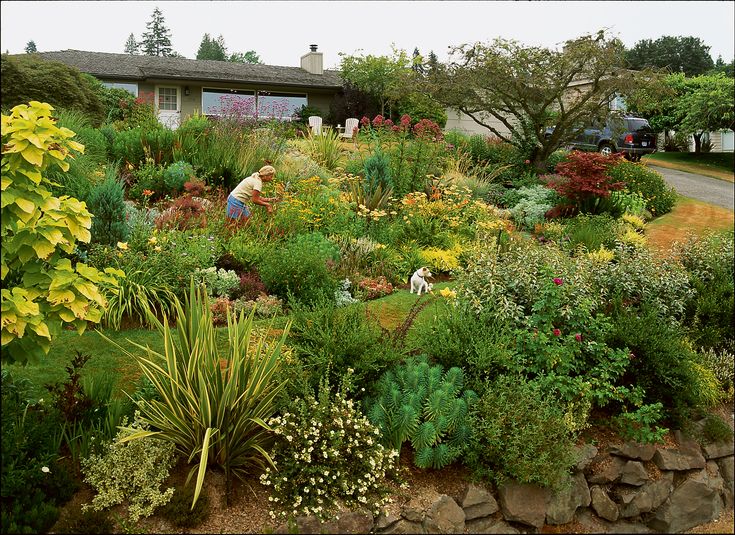
Incorporating drought-tolerant plants into your lawn design can significantly reduce water usage. Consider replacing some or all of your grass with low-water-use ground covers, native plants, or ornamental grasses. These plants not only require less water but also provide habitat and food for local wildlife.


Mulching
Applying a layer of organic mulch around your plants helps retain soil moisture, suppress weeds, and regulate soil temperature. This can reduce the need for watering by up to 75%.
Irrigation
Implementing a smart irrigation system can help ensure that your lawn receives the right amount of water at the right time. Consider using drip irrigation, which delivers water directly to the roots of plants, minimizing evaporation and runoff. Additionally, installing a rain sensor or smart controller can help prevent overwatering by adjusting irrigation schedules based on rainfall and weather data.
Caring for Your Water-Efficient Lawn
Once established, water-efficient lawns require minimal care. However, there are a few maintenance practices to keep in mind:


Watering
Water your lawn deeply and infrequently to encourage deep root growth. This will help your lawn become more drought-tolerant and reduce the need for watering. A general rule of thumb is to water your lawn 1 inch per week, including rainfall.
Mowing
Mow your lawn at the highest recommended setting for your grass type to encourage deeper root growth and shade the soil, reducing evaporation. Leave grass clippings on the lawn to provide additional mulch and nutrients.
Fertilizing
Fertilize sparingly, as overfertilization can lead to excessive growth and increased water needs. Instead, focus on building healthy soil through organic matter additions and proper pH management.


Case Studies: Water-Efficient Lawns in Action
To illustrate the practical application of water-efficient lawn design, let's examine two case studies:
| Location | Original Lawn | Water-Efficient Lawn Design | Water Savings |
|---|---|---|---|
| Phoenix, AZ | Bermuda grass with no shade | Replaced 50% of lawn with desert-friendly plants; installed drip irrigation; added shade trees | 40% reduction in water usage |
| San Francisco, CA | Fescue lawn with no mulch | Replaced 25% of lawn with native plants; installed mulch; added rain barrel for water collection | 35% reduction in water usage |
These case studies demonstrate that water-efficient lawns can be tailored to various climates and landscapes, resulting in significant water savings and environmental benefits.
Transitioning to a water-efficient lawn is not only a smart choice for your wallet and the environment; it's also an opportunity to create a beautiful, sustainable outdoor space that reflects your values and supports local biodiversity. By embracing the principles of water-wise landscaping, you can enjoy a lush, green lawn while contributing to a more sustainable future.
Related Articles
"Water-Efficient Backyard Ideas: Save Water, Save Money"
Transforming your backyard into a water-efficient oasis is not only environmentally responsible but also helps you save money on your water bills. By...
"Water-Efficient Yards: Save Water, Save Money"
In the face of increasing water scarcity and climate change, maintaining a lush, green yard doesn't have to be a water-guzzling endeavor. By transforming your...

"Water-Efficient Xeriscaping: Save Water, Save Money"
In the face of increasing water scarcity and climate change, traditional landscaping practices are no longer sustainable. This is where water-efficient...

"Water-Efficient Landscaping & Irrigation: Save Water, Save Money"
In the face of increasing water scarcity and climate change, water-efficient landscaping and irrigation have become not just environmentally responsible, but...

Water-Efficient Landscaping Ideas: Save Water, Save Money
Transform Your Outdoor Space: Water-Efficient Landscaping Ideas In the face of increasing water scarcity and climate change, it's more important than ever to...

"Water-Efficient Landscaping: Save Water, Save Money"
In the face of increasing water scarcity and climate change, water efficient landscaping has emerged as a sustainable and responsible approach to maintaining...