"Best Colors for Hallways: Transform Your Space"
When it comes to designing your home, the hallway often gets overlooked, but it's the first space that welcomes you and sets the tone for the rest of your home. One of the most impactful decisions you can make is choosing the right color palette. But with so many options available, selecting the best colors for a hallway can be overwhelming. This guide will help you navigate through the world of colors, providing you with expert tips and inspiring ideas to create a welcoming and stylish hallway.
Understanding Color Psychology
Before delving into specific color suggestions, it's essential to understand the basics of color psychology. Colors can evoke different emotions and create various moods. For instance, warm colors like red, orange, and yellow can stimulate and energize, while cool colors such as blue, green, and purple can have a calming effect. Neutrals like black, white, and gray can create a sense of balance and sophistication.
Factors to Consider When Choosing Hallway Colors
When selecting colors for your hallway, consider the following factors:


- Size and Lighting: Dark colors can make small hallways feel even smaller, while light colors can create the illusion of space. Similarly, consider the natural light in your hallway and choose colors that complement it.
- Flow and Connection: The hallway connects different spaces in your home. Choose colors that create a cohesive flow and complement the adjacent rooms.
- Personal Preference: Ultimately, the colors you choose should reflect your personal style and make you feel happy and comfortable.
Best Colors for a Hallway: Inspiring Ideas
1. Neutrals with a Pop of Color
Neutral colors like white, beige, and gray create a clean, crisp canvas that allows you to experiment with accent colors. For a classic yet modern look, pair neutrals with a pop of color through accessories, artwork, or a feature wall.
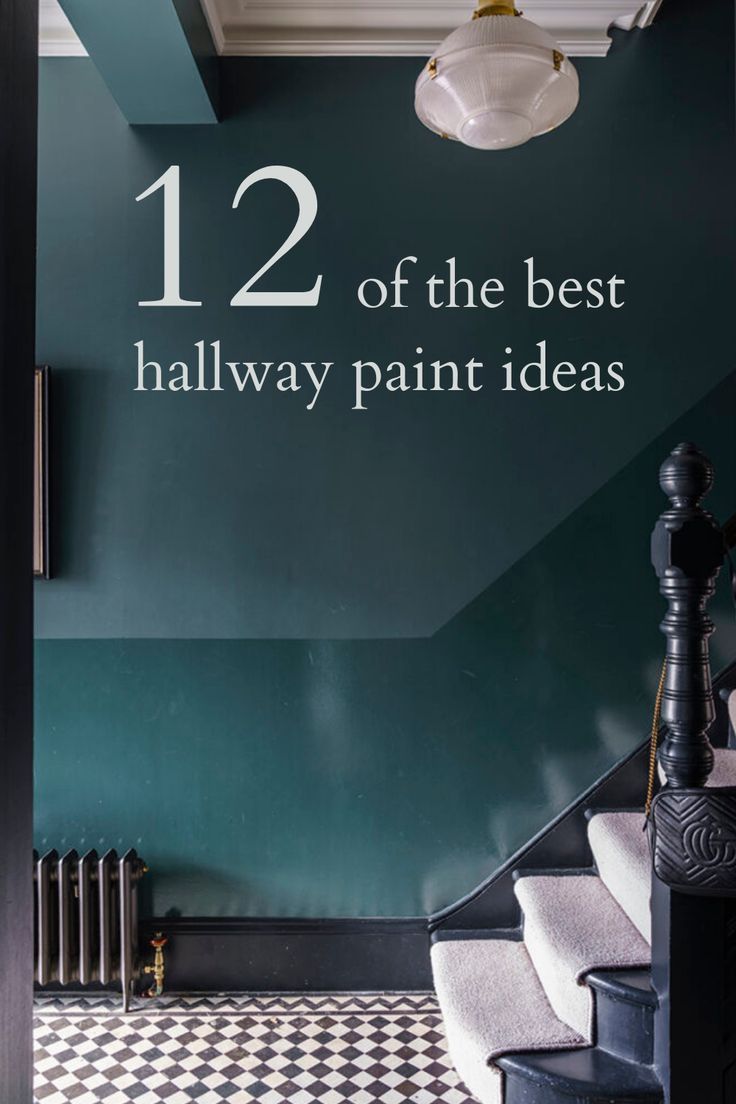
2. Dark and Moody
Dark colors can create a dramatic, luxurious feel in a hallway. To prevent the space from feeling too heavy, balance dark walls with light flooring and plenty of lighting. Consider using dark colors on the lower half of the walls to create a sense of height.


3. Bright and Bold
For a bold, statement hallway, consider using bright, vibrant colors. This works particularly well in large, well-lit hallways. To prevent the space from feeling overwhelming, balance bold colors with neutral elements and plenty of white space.
4. Monochromatic Magic
Using different shades of the same color can create a sophisticated, cohesive look in your hallway. This works well with both cool and warm color palettes. To add depth and interest, incorporate textures and patterns through accessories and flooring.
5. Color Blocking
Color blocking involves using two or more bold colors side by side. This technique can create a striking, modern look in your hallway. To keep the space from feeling chaotic, stick to a color scheme and use each color in equal proportion.


6. Wallpaper and Feature Walls
Wallpaper or a feature wall can add a touch of luxury and personality to your hallway. Choose a design that complements your color scheme and adds visual interest. To prevent the space from feeling too busy, keep the rest of the hallway simple and uncluttered.
Hallway Color Schemes: A Summary
Here's a quick summary of the best color schemes for a hallway:
| Color Scheme | Mood | Best For |
|---|---|---|
| Neutrals with a Pop of Color | Classic, Modern | Small to Medium Hallways |
| Dark and Moody | Dramatic, Luxurious | Large Hallways with Good Lighting |
| Bright and Bold | Bold, Statement | Large, Well-Lit Hallways |
| Monochromatic | Sophisticated, Cohesive | Any Size Hallway |
| Color Blocking | Striking, Modern | Large Hallways |
| Wallpaper/Feature Wall | Luxurious, Personal | Any Size Hallway |




Related Articles

"Maximize Your Space: Creative Ideas for Narrow Hallways"
Narrow hallways can often feel cramped and uninviting, but with the right strategies, you can transform this space into a functional and welcoming area. In...

"Best Basement Playroom Paint Colors: Transform Your Space!"
Transforming your basement into a vibrant and inviting playroom for your little ones can be an exciting project. One of the most impactful decisions you'll...

"Cream Bed Color Combinations: Best Colors to Match Your Bedroom"
When it comes to designing a bedroom, one of the most versatile colors you can start with is cream. It's a warm, inviting hue that can create a serene and...

"Christmas Stair & Hallway Decor Ideas: Transform Your Space for the Holidays"
Transform your home into a winter wonderland with these creative and engaging Christmas decorating ideas for your stairs and hallways. These spaces often serve...

"Black & Grey Kitchen: Best Colours to Complement Your Space"
When it comes to designing a black and grey kitchen, the color palette might seem limited, but with the right approach, you can create a stunning and...

"Dark Grey Furniture: Best Color Combinations for Your Space"
Dark grey furniture can create a sophisticated and sleek atmosphere in your space, but choosing the right colors to complement it can be a challenge. With its...