"Paint Stairway Walls: Best Colors for Stylish & Safe Spaces"
When it comes to painting your stairway walls, the color you choose can significantly impact the overall aesthetic of your space. Stairways are often the first thing visitors see when they enter your home, making them a crucial element in creating a welcoming and inviting atmosphere. In this guide, we'll explore various color options, their effects, and provide practical tips to help you make an informed decision.
Understanding Color Psychology
Before delving into specific colors, it's essential to understand how colors can influence our moods and perceptions. Color psychology is a powerful tool that can help you create the desired ambiance in your home. Here are some key principles:
- Warm colors (red, orange, yellow) evoke feelings of energy, warmth, and happiness.
- Cool colors (blue, green, purple) create a sense of calmness, relaxation, and tranquility.
- Neutral colors (white, black, gray, beige) provide a solid foundation and can be paired with any color scheme.
Color Options for Stairway Walls
Neutral Colors
Neutral colors are a safe and timeless choice for stairway walls. They create a harmonious and balanced atmosphere, allowing other design elements, such as furniture and decor, to take center stage. Neutral colors also reflect light, making your space appear brighter and more spacious.


Some popular neutral options include:
- Crisp White (Benjamin Moore's Simply White)
- Soft Gray (Sherwin-Williams' Repose Gray)
- Warm Beige (Behr's Ultra Pure White)
- Dark Charcoal (Farrow & Ball's Down Pipe)
Bold and Vibrant Colors
If you're looking to make a statement, consider painting your stairway walls with a bold and vibrant color. This approach can create a striking and memorable first impression. However, it's essential to choose a color that complements your overall design scheme and doesn't overwhelm the space.


Some daring color options are:
- Deep Blue (Farrow & Ball's St. Giles Blue)
- Rich Green (Benjamin Moore's Sage Tint)
- Vibrant Yellow (Sherwin-Williams' Sunshine)
- Dramatic Black (Behr's Graphic Charcoal)
Monochromatic and Ombre Effects
Monochromatic and ombre effects can create a sophisticated and modern look in your stairway. By using different shades of the same color, you can add depth and dimension to your walls. This approach works best with neutral or cool colors, as they tend to have more subtle variations.
For a monochromatic look, consider:


- Light Gray to Dark Gray (Sherwin-Williams' Repose Gray and Iron Ore)
- Soft Blue to Navy (Benjamin Moore's Hale Navy and Wrought Iron)
For an ombre effect, blend two shades of the same color, such as:
- Light Beige to Dark Brown (Behr's Ultra Pure White and Espresso)
- Pale Green to Deep Teal (Sherwin-Williams' Acacia Haze and Sea Salt)
Factors to Consider When Choosing a Color
Before making your final decision, consider the following factors to ensure the perfect fit for your space:
| Factor | Considerations |
|---|---|
| Lighting | Consider the natural and artificial lighting in your stairway. Lighter colors can brighten up darker spaces, while darker colors can create a cozy atmosphere in well-lit areas. |
| Color Scheme | Ensure the chosen color complements your existing decor and furniture. You can use color wheels or online tools to help you find harmonious color combinations. |
| Size of the Space | Lighter colors can make small spaces appear more significant, while darker colors can create a more intimate atmosphere in larger spaces. |
| Personal Preference | Ultimately, the color you choose should reflect your personal style and bring you joy. Don't be afraid to experiment with different options until you find the perfect fit. |
Preparation and Painting Tips
Before you begin painting, ensure your stairway walls are clean, dry, and free of any imperfections. Fill in any holes or cracks with spackling compound, and sand the surface smooth. Priming the walls will help achieve better coverage and adhesion, as well as prevent tannin bleed (a common issue with wood paneling).


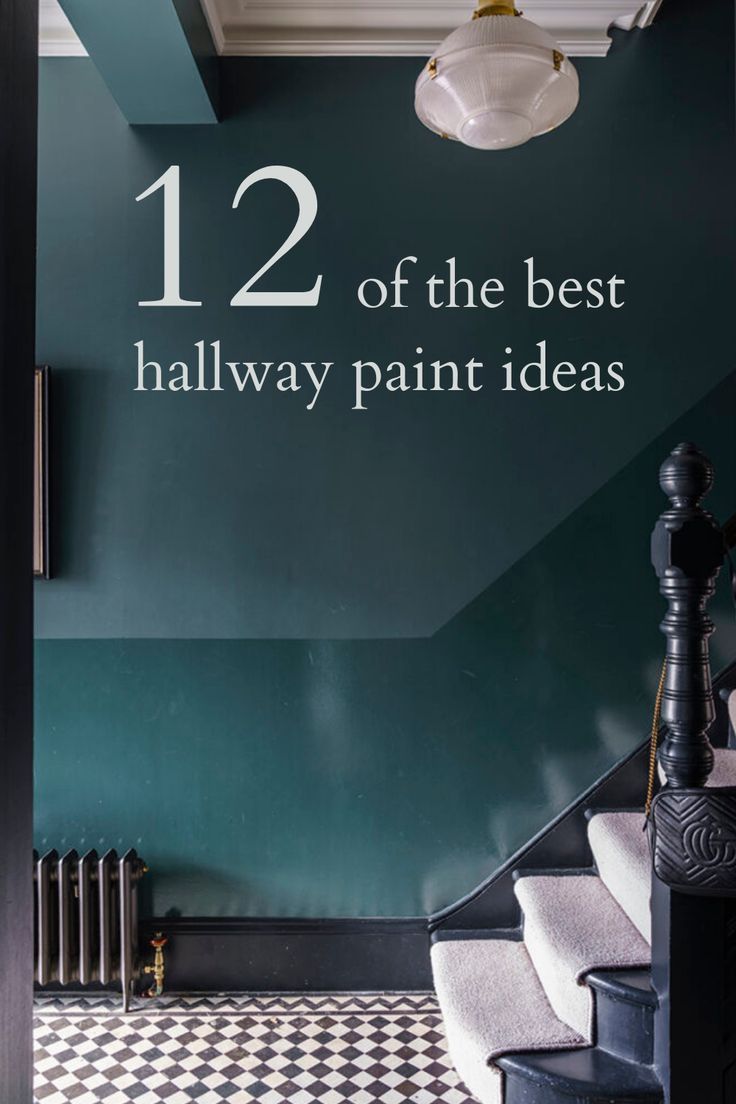


When painting, use a high-quality paint and apply it in thin, even coats. Use a paintbrush for edges and details, and a roller for larger areas. For a professional finish, consider hiring a professional painter or following their techniques.
In conclusion, choosing the right color for your stairway walls involves understanding color psychology, considering various color options, and factoring in the unique aspects of your space. By following this guide, you'll be well on your way to creating a stunning and inviting entryway that reflects your personal style.
Related Articles

"Best Colors to Paint Pantry Shelves for a Stylish & Organized Space"
When it comes to organizing and enhancing the aesthetic appeal of your pantry, the color of your shelves plays a significant role. The right hue can transform...

"Forest Green Walls: Best Color Combinations"
Embracing the great outdoors indoors, forest green walls create a serene and earthy atmosphere. But how do you complement this rich, deep hue without losing...

"Best Foyer Colors: Expert Tips for Welcoming Spaces"
The foyer, the grand entrance to your home, sets the tone for the entire space. One of the most impactful decisions you can make is choosing the right color...

"Best Colors to Paint Concrete Basement Floors: A Comprehensive Guide"
Transforming a concrete basement floor into a warm, inviting space can be a daunting task, but it's definitely achievable. One of the first decisions you'll...

"Best Curtain Colors for Light Blue Living Room Walls"
When it comes to decorating your living room, the color of your curtains can significantly impact the overall ambiance of the space. If you've opted for light...

"Best Curtain Colors for Burnt Orange Walls: Expert Picks"
Burnt orange walls create a warm, inviting atmosphere, but choosing the right curtains can be a challenge. The key is to find a balance between complementing...