"What's Inside a Japanese Bedroom: A Visual Guide"
Step into the serene and minimalist world of Japanese bedrooms, where tradition meets modern comfort. Known for their simplicity, functionality, and connection to nature, Japanese bedrooms, or "washitsu," offer a unique living experience. Let's delve into the captivating design elements that make Japanese bedrooms stand out.
Minimalist Aesthetic: Less is More
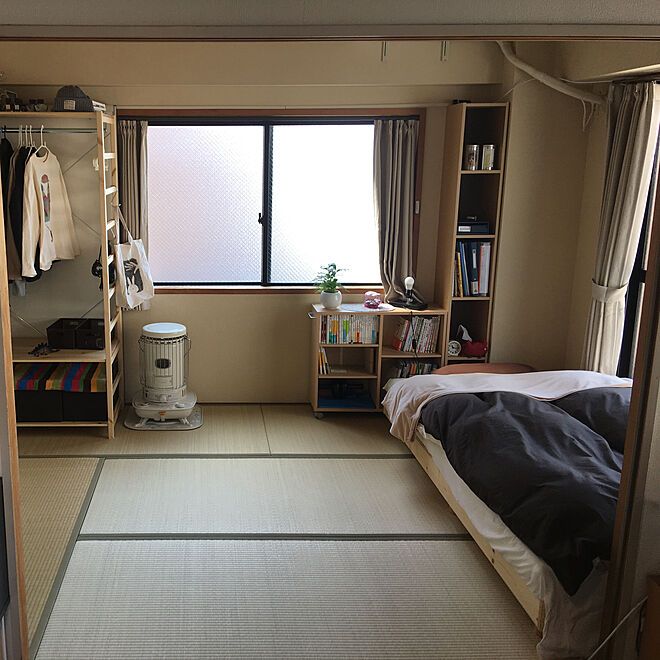
Japanese bedrooms are characterized by their minimalist design, with a focus on functionality and simplicity. Clutter is kept to a minimum, promoting a sense of calm and tranquility. The color palette is often neutral, with soft hues of white, beige, and light gray dominating the space. This allows for a harmonious blend of natural materials like wood and paper, which are commonly used in Japanese architecture.
Fusion of Traditional and Modern Elements
In many Japanese bedrooms, you'll find a beautiful fusion of traditional and modern elements. Tatami mats, traditional Japanese flooring made from rice straw, are often used to define spaces and add a touch of tradition. They are typically paired with low-lying furniture, such as futons and chabudai (low tables), creating an intimate and cozy atmosphere.


However, Japanese bedrooms are not stuck in the past. Modern comforts like platform beds, wardrobes, and lighting fixtures are seamlessly integrated into the design, creating a perfect balance between tradition and contemporary style.
Connection to Nature
Japanese bedrooms often incorporate natural elements to create a soothing and relaxing environment. Sliding doors, known as "fusuma" or "shoji," allow for natural light to flood the room and provide a connection to the outdoors. These doors are usually made of translucent paper, which diffuses light and creates a soft, inviting glow.


Plants are also a common feature in Japanese bedrooms. They not only add a touch of nature but also help to purify the air. Bonsai trees, in particular, are a popular choice due to their symbolic significance and aesthetic appeal.
Multifunctional Spaces
In Japanese homes, space is often at a premium. As a result, Japanese bedrooms are designed to be multifunctional. During the day, they serve as living spaces, with futons being stored away in closets or under platform beds. At night, they transform into cozy sleeping quarters. This efficient use of space is a hallmark of Japanese design and a testament to the country's resourcefulness.
Futons: The Versatile Sleeping Solution
Futons are a staple in Japanese bedrooms. They are lightweight, easy to store, and can be quickly transformed from a bed into a seating area. Traditionally, futons are placed on the floor, but modern interpretations often feature platform beds or frames for added comfort.


Lighting: Subtle and Soothing
Lighting in Japanese bedrooms is soft and subtle, enhancing the overall sense of tranquility. Floor lamps, table lamps, and wall sconces cast a warm, inviting glow, while paper lanterns and candles add a touch of tradition. Task lighting is also important, with reading lamps and under-cabinet lights providing functional illumination.
Storage: Hidden and Efficient
To maintain the minimalist aesthetic, storage in Japanese bedrooms is often hidden or built-in. Closets, drawers, and shelves are designed to blend seamlessly into the wall or floor, keeping clutter out of sight. This efficient use of space not only promotes a sense of order but also maximizes the room's functionality.
| Design Elements | Purpose/Function |
|---|---|
| Minimalist aesthetic | Promotes a sense of calm and tranquility |
| Fusion of traditional and modern elements | Creates a unique, balanced living space |
| Connection to nature | Creates a soothing, relaxing environment |
| Multifunctional spaces | Efficient use of space, serving multiple purposes |
| Subtle, soothing lighting | Enhances the overall sense of tranquility |
| Hidden, efficient storage | Maximizes functionality and maintains minimalist aesthetic |
In conclusion, Japanese bedrooms offer a unique blend of tradition and modernity, functionality and aesthetics. By incorporating these design elements into your own space, you can create a serene, inviting retreat that reflects the beauty and simplicity of Japanese design.




Related Articles

"What's a Farmhouse Kitchen: A Visual Guide"
When envisioning a farmhouse kitchen, one might picture a rustic, inviting space that seamlessly blends functionality with a touch of country charm. This...

"What's a Rumpus Room? A Visual Guide"
The term "rumpus room" might evoke images of chaotic play spaces from classic sitcoms, but today's rumpus rooms are so much more. They're versatile...

"What's Inside a Chicken? Unveiled"
Ever wondered what lies beneath the feathers of a chicken? While we're all familiar with the outside, the inside of a chicken is a fascinating world of organs...

"Turning Basements into Bedrooms: A Step-by-Step Guide"
Transforming a basement into a cozy and inviting bedroom might seem like a daunting task, but with the right approach, it's absolutely achievable. Basements...

"Copper Deficiency in Plants: Symptoms & Visual Guide"
Copper is an essential micronutrient for plant growth, playing a crucial role in various physiological processes such as photosynthesis, respiration, and...

"Inside Japanese Homes: A Peek into Traditional & Modern Interiors"
Stepping into a traditional Japanese house, or "wafuuke," is like entering a world of harmony, minimalism, and a deep connection to nature. The interior design...