"Best Colors for Small Hallways: Brighten Up Your Space"
When it comes to designing a small hallway, color selection plays a significant role in creating a welcoming and functional space. The right color can make your hallway feel more spacious, brighter, or cozier, while the wrong one can make it feel cramped and uninviting. So, what is a good color for a small hallway? Let's explore some options that can help you make the most of your space.
Light and Bright: The Power of Neutral Tones
Neutral colors are a go-to choice for small hallways as they reflect light, creating an illusion of a larger space. Shades like white, cream, beige, and light gray can make your hallway feel brighter and more spacious. Consider using these colors on the walls, ceiling, and even the floor to create a seamless, expansive effect.
However, be mindful of the undertones in your chosen neutral. Warm undertones can create a cozy atmosphere, while cool undertones can make a space feel more crisp and fresh. Choose the undertone that best complements your home's overall aesthetic and the lighting in your hallway.


Color Psychology: The Impact of Different Colors
Understanding color psychology can help you choose a color that not only looks good but also evokes the right mood. For instance, blue is known for its calming effect, while yellow is associated with happiness and warmth. Green is often linked with nature and tranquility, while red can stimulate energy and appetite.
When selecting a color for your small hallway, consider the atmosphere you want to create. If your hallway is a place where you want to relax and unwind, a calming color like blue or green might be suitable. On the other hand, if your hallway is a high-traffic area where you want to create a lively atmosphere, a color like yellow or red could be a good choice.


Accent Walls: Adding Color Without Overwhelming
If you love color but are hesitant to paint your entire hallway, consider creating an accent wall. An accent wall is a single wall in a room that you paint a different color than the others. This can add a pop of color to your space without overwhelming it.
To create an accent wall, choose a wall that doesn't have any architectural features like windows or doors. This will help the color stand out. You can also use the accent wall to highlight a specific area, like a console table or a piece of art.
Color Combinations: Mixing and Matching
Don't be afraid to mix and match colors. Combining different shades and hues can create a dynamic and interesting space. For example, you could pair a neutral wall color with a bold door color, or use different shades of the same color for a monochromatic look.


When combining colors, consider the 60-30-10 rule. This rule suggests that you should use a dominant color (60%), a secondary color (30%), and an accent color (10%) in your space. This can help you create a balanced and harmonious color scheme.
Color and Lighting: A Crucial Combination
Lighting plays a significant role in how colors appear in a space. Natural light can make colors look brighter and more vibrant, while artificial light can make them look warmer or cooler. When choosing a color for your small hallway, consider the lighting in the space.
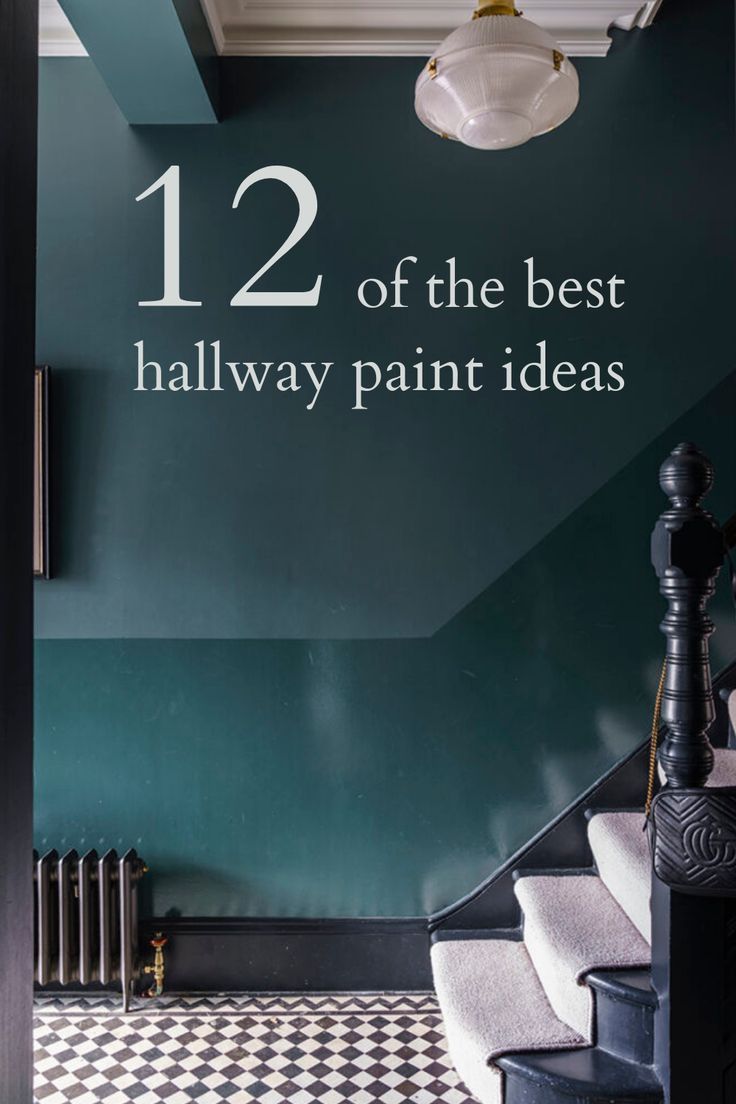
For instance, if your hallway doesn't get much natural light, you might want to choose a light-reflecting color to make the most of the light you do have. On the other hand, if your hallway gets a lot of natural light, you might be able to get away with a darker color that would otherwise make a space feel too small.


Test Before You Commit: The Importance of Samples
Before you commit to a color, it's a good idea to test it out. Many paint stores offer small sample pots that you can paint onto a piece of paper or a wall to see how the color looks in your space. This can help you avoid making a costly mistake.
When testing a color, make sure to test it in different lighting conditions. A color might look great in the morning light but not so great in the afternoon. Also, consider how the color will look with your existing furniture and decor.
Conclusion
Choosing a good color for a small hallway is about more than just aesthetics. It's about creating a space that feels welcoming, functional, and true to your personal style. Whether you opt for a light and bright neutral, a bold accent wall, or a dynamic color combination, the key is to choose a color that makes you feel good and reflects your unique personality.
Related Articles
"Best Colors for Hallways: Boost Light & Space"
When it comes to designing your home, the hallway often gets overlooked. However, it's the first impression visitors get of your space, and it sets the tone...

"Best Colors to Paint Pantry Shelves for a Stylish & Organized Space"
When it comes to organizing and enhancing the aesthetic appeal of your pantry, the color of your shelves plays a significant role. The right hue can transform...

"Maximize Your Space: Creative Ideas for Narrow Hallways"
Narrow hallways can often feel cramped and uninviting, but with the right strategies, you can transform this space into a functional and welcoming area. In...

"Best Wall Colors for Dark Basements: Brighten Up Your Space"
Transforming a dark basement into a cozy, inviting space can be a challenge, but the right wall color can make all the difference. With the right hue, you can...
"Best Hallway Paint Colors: Expert Tips & Ideas for 2023"
When it comes to painting your hallway, the color you choose can significantly impact the overall aesthetic and functionality of your space. The hallway is...
"The Perfect Hue: Best Color for Small Hallways
When it comes to designing a small hallway, the color you choose can significantly impact the space's appearance and functionality. The right hue can make a...