"Mediterranean Homes: Unveiling the Charm of This Iconic Style"
The Mediterranean house style, a delightful fusion of comfort, warmth, and rustic charm, has captivated homeowners and architects alike. Originating from the sunny climes of the Mediterranean region, this architectural style is characterized by its relaxed, inviting atmosphere and strong connection to the outdoors. Let's delve into the captivating world of Mediterranean homes, exploring their unique features, history, and modern interpretations.
Key Features of Mediterranean House Style
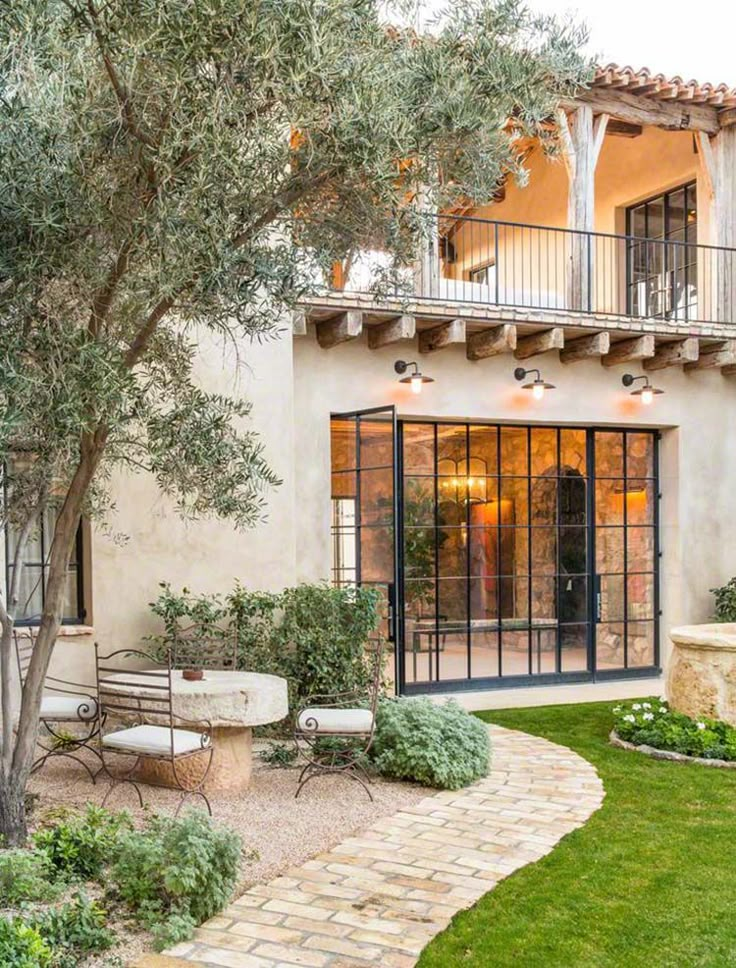
Mediterranean homes are instantly recognizable, with their distinctive features that evoke images of sun-drenched landscapes and vibrant cultures. Here are some key elements that define this architectural style:
- Earthy Colors and Materials: Mediterranean homes often feature warm, earthy color palettes inspired by the natural surroundings. Terracotta, warm reds, oranges, and yellows are prevalent, along with natural materials like stone, stucco, and wood.
- Red Tile Roofs: Arguably the most iconic feature of Mediterranean homes, red tile roofs not only provide excellent insulation but also add a touch of rustic elegance.
- Archways and Columns: Arches and columns are common in Mediterranean architecture, adding a sense of grandeur and openness. They often frame doorways, windows, and courtyards.
- Courtyards and Patios: Many Mediterranean homes feature central courtyards or patios, which serve as an extension of the living space and provide a serene, private outdoor retreat.
- Symmetrical Design: Mediterranean homes often follow a symmetrical design, with a central entrance and balanced arrangement of windows and doors on either side.
History and Origins
The Mediterranean house style has its roots in the ancient civilizations of the Mediterranean basin, including Greece, Rome, and Spain. Over time, these architectural influences blended with local traditions and cultural practices, giving rise to distinct regional variations. For instance, Spanish Mission style homes feature heavy timber beams and ornate ironwork, while Italianate homes boast grand balconies and tall, narrow windows.


In the United States, the Mediterranean Revival movement gained popularity in the early 20th century, thanks to architects like Addison Mizner and Marion Sims Wyeth. They drew inspiration from their travels through Europe and North Africa, incorporating Mediterranean elements into their designs to create homes that were both beautiful and functional.
Modern Interpretations
Today, the Mediterranean house style continues to evolve, with modern architects and homeowners embracing its timeless appeal while incorporating contemporary design principles. Here are some ways Mediterranean homes are adapting to the 21st century:


- Open Floor Plans: While traditional Mediterranean homes often featured separate, formal living spaces, modern interpretations embrace open floor plans that encourage fluid movement between rooms.
- Energy Efficiency: Contemporary Mediterranean homes prioritize energy efficiency, incorporating features like solar panels, high-efficiency windows, and passive design elements to reduce energy consumption.
- Indoor-Outdoor Living: The blurred line between indoor and outdoor living spaces is a hallmark of modern Mediterranean homes. Large windows, sliding doors, and covered porches invite the outdoors in, creating seamless transitions between living areas.
Mediterranean House Style Around the World
From the sun-drenched hills of California to the coastal towns of Australia, Mediterranean homes have left their mark on landscapes worldwide. Let's explore some popular Mediterranean-inspired destinations:
| Region | Distinctive Features |
|---|---|
| California | Mission-style elements, such as thick walls, red tile roofs, and ornate ironwork, are prevalent in California's Mediterranean homes. |
| Australia | Australian Mediterranean homes often feature wide verandas, breezy courtyards, and clean, simple lines inspired by the country's coastal landscapes. |
| South Africa | In South Africa, Mediterranean homes blend with local Cape Dutch influences, resulting in unique designs that incorporate gables, thatched roofs, and whitewashed walls. |
The Mediterranean house style, with its rich history and enduring appeal, continues to captivate homeowners and architects alike. By blending timeless design principles with modern sensibilities, Mediterranean homes remain as relevant and inviting as ever. Whether you're drawn to their warm, inviting interiors or their strong connection to the outdoors, there's no denying the allure of these captivating homes.




Related Articles
"Modern Mediterranean Homes: What's the Style?"
Modern Mediterranean House Style: A Comprehensive Guide The allure of the Mediterranean, with its sun-drenched landscapes, vibrant colors, and rich history...

"Beach House Exterior Design Ideas: Capturing Coastal Charm"
Nestled along the coastline, beach houses offer a unique charm that sets them apart from other residential styles. Their exterior design is not just about...

"Yellow Brick House Locations: Where to Find the Iconic Homes"
The iconic Yellow Brick House, a symbol of the enchanting world of Oz, has captivated audiences worldwide. While the house itself is a magical creation from L...

"Adirondack Style Homes: A Comprehensive Guide"
The Adirondack style home, a rustic and charming architectural gem, has captivated homeowners and enthusiasts alike for generations. Originating in the late...

"Discover Classic American Style: Definition & Iconic Examples"
What is Classic American? When one thinks of "Classic American," a myriad of images and ideas may come to mind, from the iconic reds, whites, and blues of the...

"Farm Style Homes: What Are They & How to Build Yours"
Nestled in the heart of rural landscapes and suburban neighborhoods alike, the farm style home stands as a testament to timeless architecture and rustic charm...