"What's Modern Contemporary Design Style?"
In the ever-evolving world of design, one style has consistently captivated both creators and enthusiasts alike: modern contemporary design. But what exactly is it? Let's delve into the essence of this style, exploring its origins, key characteristics, and its impact on various aspects of our lives.
Understanding Modern Contemporary Design: A Brief History
Modern contemporary design is an evolution of the modern design movement that emerged in the mid-20th century. The modern design movement, characterized by its focus on functionality, simplicity, and the use of new materials like steel, glass, and plastic, was a reaction against traditional decorative arts. Contemporary design, on the other hand, is a continuation of this movement, incorporating new technologies, cultural influences, and sustainability concerns.
Key Characteristics of Modern Contemporary Design
Modern contemporary design is not defined by a specific aesthetic but rather by a set of principles that guide its evolution. Here are some key characteristics that distinguish this style:


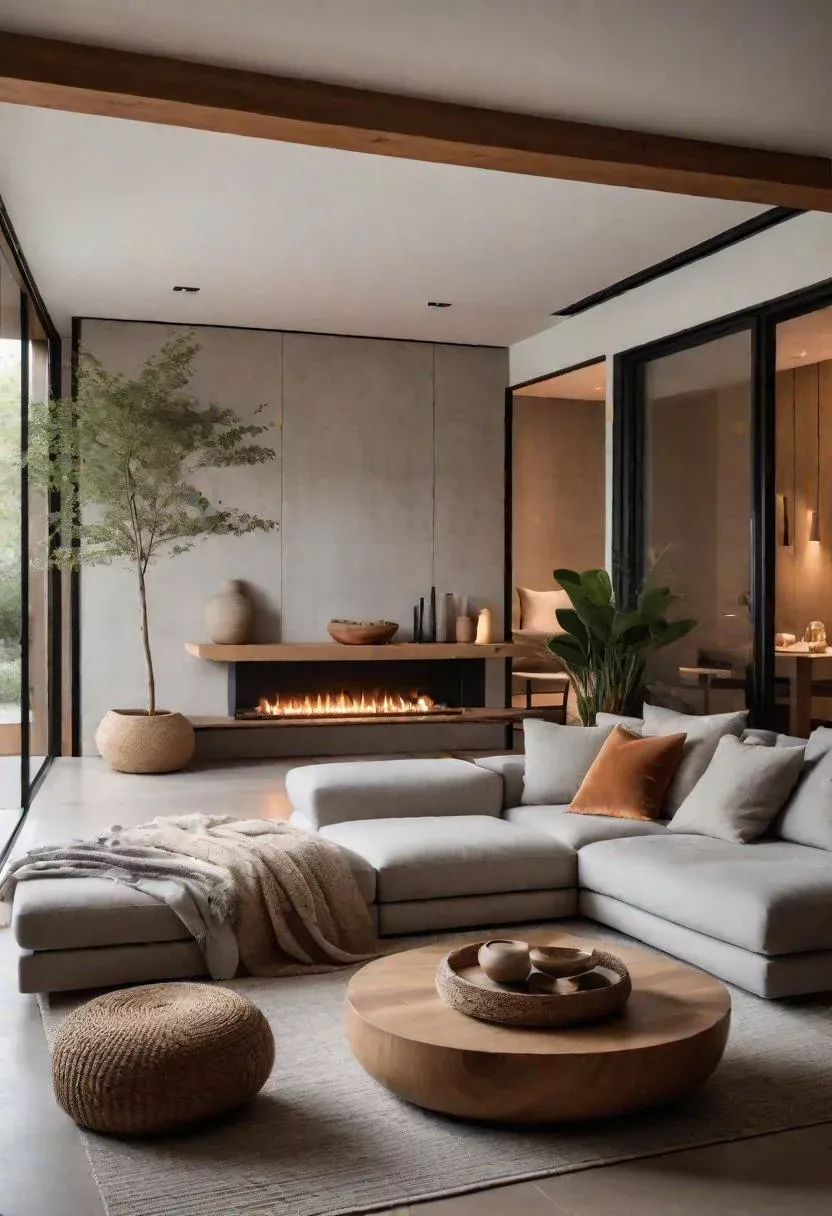
- Simplicity and Minimalism: Modern contemporary design favors clean lines, open spaces, and a lack of ornamentation. It's about stripping back to the essentials and letting the form and function of an object speak for itself.
- Use of Natural Materials: While the modern design movement embraced new materials, contemporary design often incorporates natural materials like wood, stone, and metal. This is not only aesthetically pleasing but also reflects a growing concern for sustainability.
- Incorporation of Technology: Contemporary design embraces technology, both in terms of the materials used (like smart materials and recycled materials) and the design process itself (like digital fabrication and 3D printing).
- Cultural Diversity: Unlike the modern design movement, which was largely Eurocentric, contemporary design draws inspiration from a wide range of cultural influences. This is reflected in its diverse forms, patterns, and colors.
Modern Contemporary Design Across Different Disciplines
Modern contemporary design is not limited to a single discipline. It permeates various aspects of our lives, from architecture and interior design to product design and graphic design. Let's explore how it manifests in these different areas:
Architecture and Interior Design
In architecture and interior design, modern contemporary design is characterized by open floor plans, large windows, and the use of natural light. It often incorporates outdoor living spaces and blurs the line between indoor and outdoor environments. The use of sustainable materials and energy-efficient design principles is also a key aspect of contemporary architecture and interior design.


Product Design
In product design, modern contemporary design is evident in the use of simple, clean lines and the incorporation of new materials and technologies. It's about creating products that are not only functional but also aesthetically pleasing and sustainable. The emphasis is on form following function, with the design process often informed by user-centered design principles.
Graphic Design
In graphic design, modern contemporary design is characterized by its use of bold, simple typography and minimalist layouts. It often incorporates bright colors and geometric shapes, reflecting a playful, experimental aesthetic. The use of digital tools and platforms also distinguishes contemporary graphic design from its modern predecessors.
The Impact of Modern Contemporary Design
Modern contemporary design has had a profound impact on our lives, shaping the way we live, work, and interact with the world around us. It has democratized design, making it more accessible and affordable, and it has challenged us to think more critically about the role of design in society.


Moreover, modern contemporary design has played a significant role in promoting sustainability. Its emphasis on simplicity, functionality, and the use of natural materials has led to a more conscious and responsible approach to design. It has shown us that we can create beautiful, functional objects without compromising the health of our planet.
In conclusion, modern contemporary design is more than just a style; it's a way of thinking about the world. It's about embracing simplicity, functionality, and sustainability, and about creating spaces and objects that enrich our lives. It's about looking to the future, while also drawing inspiration from the past. And it's about creating a world that is not only beautiful but also responsible and equitable.


Related Articles

"Modern Rustic: What's It Called?"
The fusion of rustic charm and modern aesthetics has given rise to a unique design style that has taken the interior design world by storm. This style, often...

"What's Tropical Interior Design?
Imagine transforming your living space into a lush, exotic oasis that transports you to the tropics every time you step inside. This is the essence of tropical...

"Modern Farmhouse Style: What's Trending in 2023?"
In the realm of interior design, the modern farmhouse style has emerged as a popular and enduring trend, blending rustic charm with contemporary aesthetics...

Mountain Modern Interior Design: Blending Nature & Sleek Style
Nestled in the heart of the great outdoors, mountain modern interior design style seamlessly blends the rugged beauty of nature with contemporary, sleek...

Modern Farmhouse Exterior Style: Timeless Design for Today's Homes
The modern farmhouse exterior style has taken the architectural world by storm, blending rustic charm with contemporary aesthetics to create a look that's both...

"New Bathroom Trends 2023: What's Hot in Design"
As we step into 2023, the world of bathroom design is evolving with a blend of innovative technology, sustainable materials, and unique aesthetics. This year...