"Modern European Design: Defined & Explored"
Modern European design, a term that has gained significant traction in the world of architecture and interior design, is a style that emerged in the late 20th century and continues to evolve today. It is a blend of traditional European aesthetics with contemporary influences, resulting in a unique, timeless, and highly sought-after design philosophy.
Understanding the Origins of Modern European Design
To grasp the essence of modern European design, one must first look at its roots. The movement draws inspiration from the Bauhaus school of design, which originated in Germany in the early 20th century. Bauhaus emphasized functionality, simplicity, and the use of modern materials like steel, glass, and concrete. This philosophy laid the groundwork for what would become modern European design.
Post-WWII, European designers began to incorporate elements of other design movements, such as Scandinavian minimalism and Italian rationalism, into their work. The result was a unique fusion of styles that came to be known as modern European design.


Key Characteristics of Modern European Design
Modern European design is characterized by a harmonious blend of form and function, with a strong emphasis on simplicity and minimalism. Here are some key characteristics that define this design style:
- Clean Lines and Geometric Shapes: Modern European design often features clean, straight lines and geometric shapes, creating a sense of order and harmony.
- Natural Materials: Designers often incorporate natural materials like wood, stone, and metal into their work, creating a warm, inviting atmosphere.
- Open Floor Plans: Modern European design often favors open floor plans, allowing for better flow and interaction between different spaces.
- Integration of Technology: Modern European design embraces technology, incorporating it seamlessly into the design, rather than hiding it away.
Materials and Colors in Modern European Design
The materials and colors used in modern European design play a significant role in creating its unique aesthetic. Neutral colors like white, gray, and black are commonly used, providing a clean canvas for pops of color and texture. Natural materials like wood, stone, and metal are often used, while man-made materials like glass, steel, and concrete are also prevalent.

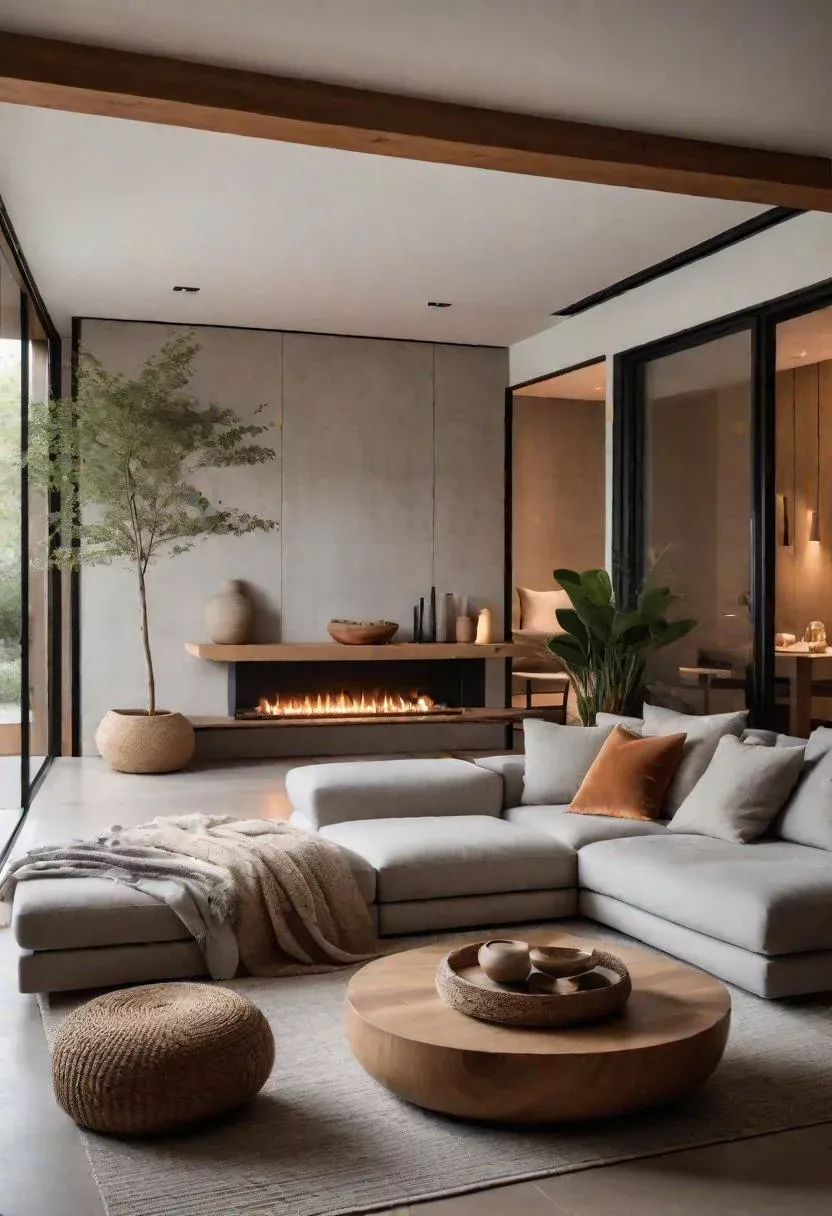

In terms of colors, modern European design often draws from the natural world, with earthy tones and cool blues and greens being particularly popular. However, designers are not afraid to incorporate bold pops of color, often using them to highlight key design elements or create a striking contrast.
Famous Examples of Modern European Design
Modern European design has left its mark on the architectural and design landscape, with many iconic buildings and interiors showcasing its unique aesthetic. Some famous examples include:
| Project | Designer/Architect | Location |
|---|---|---|
| Villa Savoye | Le Corbusier | Poissy, France |
| Barcelona Pavilion | Ludwig Mies van der Rohe | Barcelona, Spain |
| Villa Mairea | Alvar Aalto | Noormarkku, Finland |
These projects demonstrate the diversity and richness of modern European design, showcasing how it can adapt to different contexts and cultures while maintaining its core principles.


Modern European design is more than just a style; it's a philosophy that prioritizes functionality, simplicity, and harmony. By understanding its origins, key characteristics, and famous examples, we can appreciate the enduring appeal and relevance of this design movement.


Related Articles

"Modern Contemporary Interior Design: Defined & Explored"
What is Modern Contemporary Interior Design? Modern contemporary interior design is a broad and dynamic field that combines elements of modern and contemporary...

"Modern Farmhouse Architecture: Defined & Explored"
The modern farmhouse architectural style has gained significant popularity in recent years, blending the rustic charm of traditional farmhouses with...

Modern House Design: Defined & Explored
In the ever-evolving landscape of architecture, the term "modern house design" has become synonymous with innovation, functionality, and aesthetics. But what...

"Modern Style House: Defined & Explored"
In the realm of architecture, the term "modern style house" has gained significant traction, particularly since the mid-20th century. This style is...

"Modern Interior Design: Defined for 2023"
Modern interior design, a term that has evolved significantly over the decades, is a multifaceted concept that transcends mere aesthetics. It's a harmonious...

Modern Interior Design: Style Defined
In the dynamic world of design, modern interior design has emerged as a style that celebrates simplicity, functionality, and minimalism. This article delves...