"Upcycling in Interior Design: Transforming Waste into Wonder"
In the realm of sustainable design, upcycling has emerged as a creative and eco-friendly approach, particularly in interior design. It's a process that transforms waste materials or unwanted items into new, functional, and aesthetically pleasing objects. But what exactly is upcycling in interior design, and how can you incorporate it into your home? Let's delve into this innovative concept and explore its benefits, along with some inspiring ideas and tips.
Understanding Upcycling in Interior Design
Upcycling is not to be confused with recycling, which involves breaking down materials to create new ones. Instead, upcycling repurposes existing items, giving them a new life and reducing the need for raw materials. In interior design, this could mean turning an old ladder into a bookshelf, or transforming a vintage suitcase into a coffee table.
At its core, upcycling is about reimagining and repurposing. It's a chance to express your creativity, add unique pieces to your home, and contribute to a more sustainable future. Plus, it's an excellent way to save money and reduce waste.
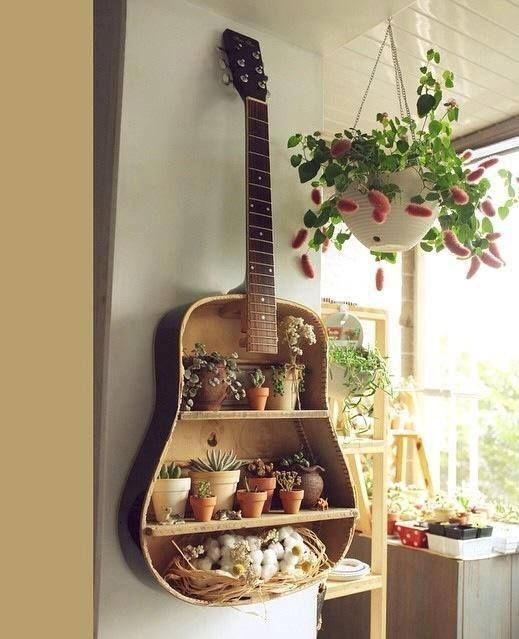


Benefits of Upcycling in Interior Design
- Sustainability: Upcycling reduces waste and conserves natural resources, making it an environmentally friendly choice.
- Cost-effective: Repurposing items is often cheaper than buying new, making upcycling a budget-friendly option.
- Unique design: Upcycled pieces add character and originality to your space, helping your home stand out.
- Therapeutic: The process of upcycling can be therapeutic and satisfying, allowing you to express your creativity and see the results of your efforts.
Upcycling Ideas for Your Home
Ready to incorporate upcycling into your interior design? Here are some inspiring ideas to get you started:
- Old Furniture: Give new life to old furniture by painting, distressing, or adding new hardware. You can also combine multiple pieces to create a unique, multifunctional unit.
- Glass Jars and Bottles: Clean and repurpose glass jars and bottles as vases, candle holders, or storage containers. You can also group them together to create a striking display.
- Tin Cans: Transform tin cans into planters, pencil holders, or even wall art. The possibilities are endless!
- Wine Corks: Collect wine corks and turn them into a decorative trivet, a bulletin board, or a unique piece of wall art.
- Old Tires: Repurpose old tires into swings, planters, or even a cozy outdoor lounge chair.
Tips for Successful Upcycling
Before you start your upcycling project, consider these tips to ensure success:


- Plan ahead: Have a clear vision for your upcycled piece before you start. Sketch out your ideas and gather all necessary materials.
- Clean and prepare: Ensure your upcycling materials are clean and dry to prevent mold or damage to your finished piece.
- Use the right tools: Invest in the right tools for the job. This could include sandpaper, paintbrushes, screws, or a glue gun.
- Be patient: Upcycling often involves waiting for paint to dry, glue to set, or materials to arrive. Be patient and enjoy the process.
- Embrace imperfections: Upcycling is about giving new life to old or worn items. Embrace the imperfections and celebrate the character of your finished piece.
Conclusion
Upcycling is more than just a trend; it's a sustainable and creative approach to interior design. By repurposing old items, you can add unique pieces to your home, save money, and contribute to a more eco-friendly future. So, the next time you're thinking about tossing an old item, consider upcycling instead. Your home (and the environment) will thank you!


Related Articles

"Upcycled Art: Transforming Waste into Masterpieces"
In the vibrant world of art, a new trend has emerged that's not only captivating art enthusiasts but also promoting sustainability: upcycled art. This...

"Trex Recycling Center: Transforming Waste into Wonder"
In the heart of the city, nestled among the towering skyscrapers and bustling streets, lies a unique and vital establishment: the Trex Recycling Center. This...

"Upcycled Products: Transforming Waste into Treasure"
In the quest for a more sustainable future, one term has been gaining traction: upcycling. But what exactly are upcycled products, and how do they contribute...

"Upcycled Ingredients: Transforming Waste into Flavor"
In the ever-evolving landscape of sustainability and eco-friendliness, a new term has emerged: upcycled ingredients. This concept is not just a buzzword, but a...

"What's Tropical Interior Design?
Imagine transforming your living space into a lush, exotic oasis that transports you to the tropics every time you step inside. This is the essence of tropical...

"Best Grey Accent Colors: What Goes with Grey in Interior Design"
When it comes to decorating with grey, the possibilities are vast and varied. Grey is a neutral color that can be both warm and cool, making it an excellent...