"Best Paint for Painting Tiles: Top Choices & Tips"
When it comes to painting tiles, choosing the right kind of paint is crucial to ensure durability, longevity, and a professional finish. Tiles are not porous like walls, so they require specific paints that can adhere to their surface and withstand moisture and wear. This article will guide you through the types of paint suitable for tiles, their pros and cons, and tips for application.
Types of Paint for Tiles
There are several types of paint that can be used on tiles, each with its own advantages and disadvantages. The most common types are:
- Latex Paint: This is a water-based paint that is easy to apply and clean up. It's affordable and comes in a variety of colors. However, it's not as durable as other options and may not be suitable for high-moisture areas.
- Epoxy Paint: Epoxy paint is a two-part paint that creates a hard, durable finish. It's resistant to moisture, chemicals, and abrasion, making it ideal for high-traffic areas and wet environments like bathrooms and kitchens. It's more expensive than latex paint and requires careful preparation and application.
- Acrylic Paint: Acrylic paint is a water-based paint that's similar to latex but with better adhesion and durability. It's suitable for both interior and exterior use and comes in a wide range of colors. It's more expensive than latex but less expensive than epoxy.
- Chalkboard Paint: This specialty paint allows you to write on tiles with chalk, making it ideal for kitchen backsplashes or message boards. It's easy to apply and clean up but may not be as durable as other options.
Preparation and Application
Before applying paint to tiles, it's essential to prepare the surface properly. This includes cleaning the tiles to remove any dirt, grease, or residue, and allowing them to dry completely. The tiles should also be lightly sanded to help the paint adhere better.


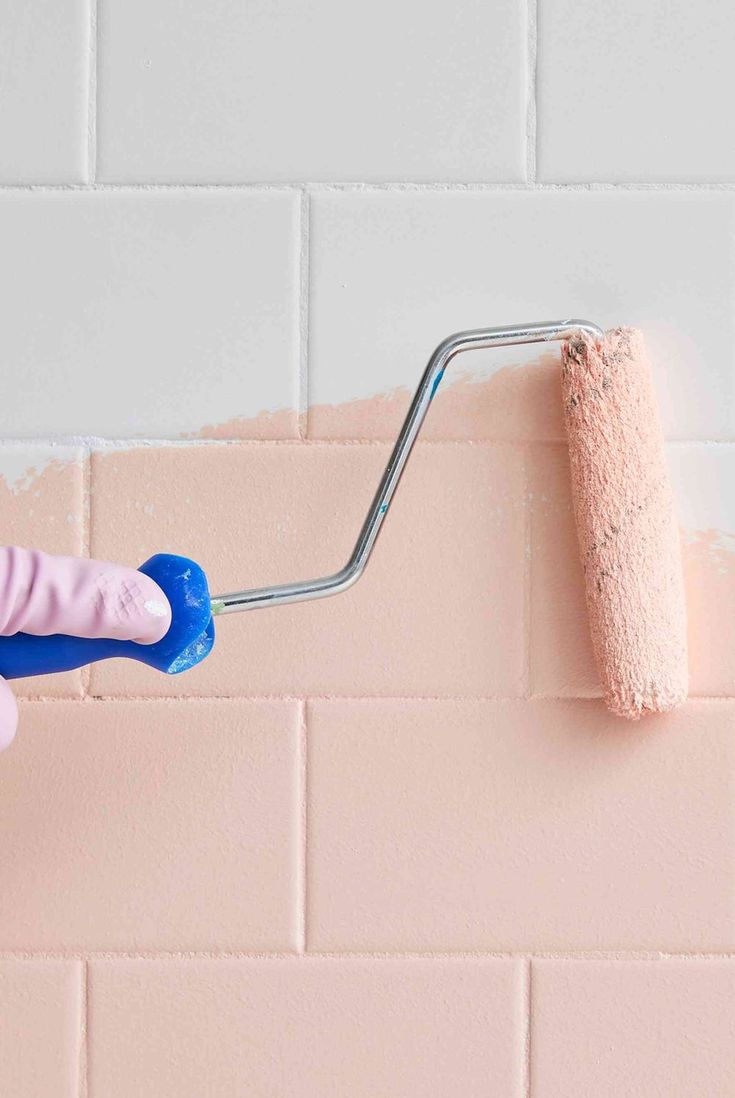
Once the tiles are prepared, the paint can be applied using a paintbrush or roller. It's recommended to apply at least two coats of paint for better coverage and durability. Always follow the manufacturer's instructions for the specific paint you're using.
Pros and Cons of Painting Tiles
| Type of Paint | Pros | Cons |
|---|---|---|
| Latex | Affordable, easy to apply and clean up, wide range of colors | Not as durable as other options, may not be suitable for high-moisture areas |
| Epoxy | Durable, resistant to moisture, chemicals, and abrasion, ideal for high-traffic areas | More expensive, requires careful preparation and application |
| Acrylic | Good adhesion and durability, suitable for both interior and exterior use, wide range of colors | More expensive than latex but less expensive than epoxy |
| Chalkboard | Allows you to write on tiles with chalk, easy to apply and clean up | May not be as durable as other options |
Tips for Painting Tiles
- Always test the paint on a small, hidden area first to ensure it adheres well and looks as expected.
- Use painter's tape to protect adjacent surfaces from paint splatters.
- Allow the paint to dry completely between coats and after the final coat before using the tiles to prevent smudging or damage.
- Consider using a primer designed for tiles to help the paint adhere better and create a more durable finish.
Painting tiles can be a cost-effective and creative way to update the look of a room. By choosing the right kind of paint and following proper preparation and application techniques, you can achieve a professional, long-lasting result. Whether you're painting tiles in a bathroom, kitchen, or other space, the tips and information in this article will help you make the best choice for your project.




Related Articles

"Best Paint for Shells: Top Choices & Application Tips"
When it comes to painting seashells, the type of paint you use can significantly impact the final result. The shell's unique texture and porous nature require...

"Best Paint for Basement Ceilings: Expert Tips & Top Picks"
Embarking on a basement renovation project? One crucial decision you'll face is choosing the right paint for your ceiling. The basement ceiling, often exposed...

"Best Paint for Backsplash Tiles: Expert Guide"
When it comes to painting backsplash tile, choosing the right kind of paint is crucial for a durable, long-lasting finish. The backsplash area is prone to...

"Best Paint Colors for Dark Grey Tiles: Expert Tips"
What Paint Goes with Dark Grey Tiles? Dark grey tiles can create a sleek, modern, and sophisticated atmosphere in your home. However, choosing the right paint...

"Best Paint for Bedroom Walls: Types & Tips for a Perfect Finish"
When it comes to painting your bedroom, the type of paint you choose can significantly impact the room's atmosphere, durability, and maintenance. With a wide...
"Best Paint for Seashell Crafts: Top Picks & Tips"
If you're looking to add a touch of color to your seashell collection or create a unique piece of art, you might be wondering what kind of paint to use on sea...