"Transform Your Backyard: Ideas for Steep Hill Landscaping"
Transforming a steep hill in your backyard into a functional and attractive space can be a challenging yet rewarding task. With the right approach, you can create a stunning landscape that not only enhances your property's curb appeal but also provides a beautiful backdrop for outdoor living. This article will guide you through the process, from understanding your hill's potential to implementing practical and visually appealing solutions.
Assessing Your Steep Hill: A Practical Approach
Before you start planning, it's crucial to assess your hill's characteristics. Consider its size, slope, soil type, and existing vegetation. Also, think about the views it offers and how you can best capitalize on them. This initial assessment will help you determine the best use for your space and the most suitable design elements.
Understanding Slope and Soil
Steep hills can be categorized into three types based on their slope: gentle (less than 25%), moderate (25% to 50%), and severe (over 50%). The steeper the slope, the more careful you'll need to be with your design choices. Additionally, consider your soil type. Clay soils can be heavy and prone to erosion, while sandy soils may require more frequent watering.


Controlling Erosion and Ensuring Stability
Before you start any major landscaping projects, it's essential to address erosion control and ensure the stability of your hill. Erosion can lead to soil loss, damage to your landscaping, and even structural issues with your home. Here are some strategies to consider:
- Planting: Vegetation helps hold soil in place. Consider planting ground covers, shrubs, or even trees, depending on your hill's size and slope.
- Mulching: A layer of organic mulch can help retain moisture, suppress weeds, and prevent soil from washing away.
- Retaining Walls: For severe slopes, consider installing a retaining wall. These structures not only prevent erosion but also create additional usable space.
Choosing the Right Plants
When selecting plants for your hill, opt for species that are well-suited to your soil type and the amount of sunlight your hill receives. Native plants are often a good choice, as they are adapted to your region's conditions and require less maintenance once established. Additionally, consider the size and growth rate of the plants you choose, as you'll want to ensure they don't outgrow their space or require frequent pruning.


Designing a Functional and Aesthetic Space
Once you've addressed the practical aspects of your hill, it's time to focus on creating a visually appealing and functional space. Here are some design ideas to consider:
Terraced Gardens
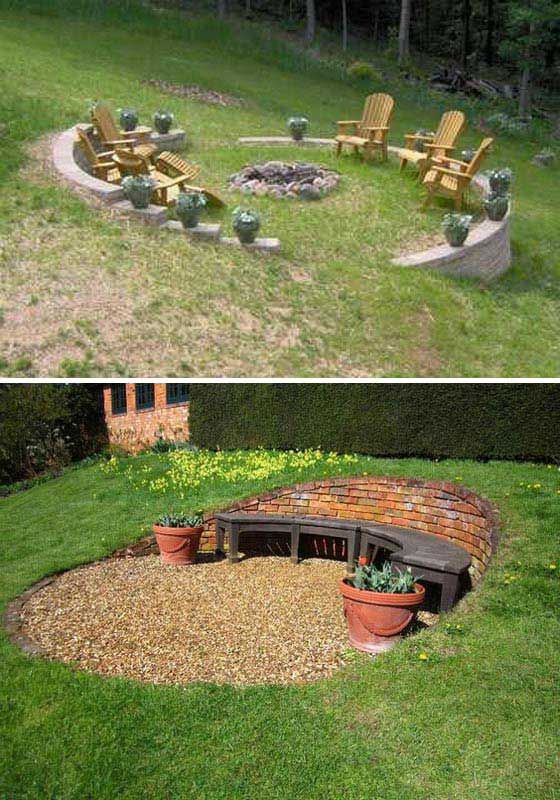
Terraces can help break up a steep hill into more manageable sections, making it easier to maintain and enjoy. They also create additional planting areas and can provide seating or dining spaces. To create terraces, you'll need to build retaining walls or use natural materials like logs or stones to create level areas.
Staircase Access
If your hill is too steep to navigate safely, consider installing a staircase. This will not only make your hill more accessible but also add a focal point to your landscape. You can choose from a variety of materials, such as wood, stone, or metal, to suit your design preferences.


Outdoor Living Spaces
With the right design, your hill can become an inviting outdoor living space. Consider adding a deck, patio, or even a hillside hot tub to create a cozy retreat. You can also incorporate lighting, such as string lights or solar-powered path lights, to extend your enjoyment of the space into the evening hours.
Maintaining Your Hillside Landscape
Proper maintenance is key to keeping your hillside landscape looking its best. Regularly prune plants to prevent them from becoming overgrown, and remove any dead or dying vegetation to prevent the spread of disease. Additionally, keep an eye out for signs of erosion, such as soil loss or water runoff, and address any issues promptly.
In conclusion, transforming a steep hill in your backyard into a functional and attractive space requires careful planning and consideration. By assessing your hill's characteristics, controlling erosion, choosing the right plants, and designing a functional and aesthetic space, you can create a beautiful and inviting landscape that enhances your property's curb appeal and provides a stunning backdrop for outdoor living.


Related Articles
"Transform Your Backyard: Steep Hill Ideas for Maximum Impact"
Transforming a steep hill into a functional and attractive backyard can be a challenging yet rewarding task. With the right planning and creative ideas, you...
"Backyard Steep Hill Solutions: Transform Your Slope into a Showstopper"
Transforming a steep hill in your backyard into a functional and beautiful space can be a challenging yet rewarding task. With the right ideas and strategies...
"Steep Hill Landscaping Ideas: Transform Your Slope Today!"
Transforming a steep hill into a visually appealing and functional landscape can be a challenging yet rewarding task. With the right landscaping ideas, you can...
"Small Hill Landscaping Ideas: Transform Your Slope Today!"
Transforming a small, steep hill into a visually appealing and functional landscape can be a challenging yet rewarding task. With the right strategies and...

"AI-Driven Landscaping Ideas: Transform Your Yard with Smart Tech"
Imagine transforming your outdoor space into a lush, well-manicured paradise with minimal effort. This is not a distant dream, but a reality thanks to the...

Brick Wall Landscaping Ideas: Transform Your Yard
Brick walls are a versatile and timeless addition to any landscape, offering both functional and aesthetic benefits. They can be used to create boundaries...