"Wooden Pergola Ideas with Roof: Transform Your Outdoor Space"
Are you looking to enhance your outdoor space with a stylish and functional structure? A wooden pergola with a roof is an excellent choice, providing shade, defining areas, and adding a touch of elegance to your garden or patio. In this article, we'll explore a variety of wooden pergola ideas with roofs, along with tips on design, materials, and maintenance.
Understanding Pergolas and Their Benefits
A pergola is an open-sided structure with a roof supported by columns or posts. It's a versatile addition to any outdoor space, offering both aesthetic appeal and practical functionality. Some of the key benefits of installing a wooden pergola with a roof include:
- Shade and protection from the elements
- Definition of outdoor spaces, such as seating or dining areas
- Enhanced curb appeal and property value
- Support for climbing plants and vines
- Ambiance and charm, creating a welcoming atmosphere
Wooden Pergola Design Ideas
Attached vs. Detached Pergolas
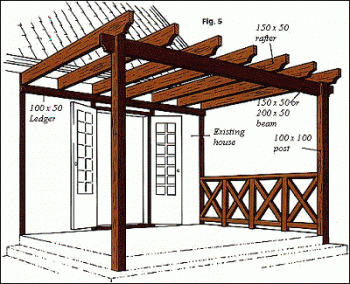
One of the first decisions you'll need to make is whether to install an attached or detached pergola. Attached pergolas are built onto the side of your house, providing a seamless transition between indoor and outdoor spaces. Detached pergolas, on the other hand, stand alone and can be placed anywhere in your garden or yard.


Roof Design Options
The roof of your wooden pergola can be designed in various ways to suit your preferences and needs. Some popular roof design options include:
- Gabled roofs: Traditional and elegant, gabled roofs feature two sloping sides that meet at a peak.
- Flat roofs: Simple and modern, flat roofs provide ample space for potted plants or solar panels.
- Hip roofs: Hip roofs have four sloping sides that meet at the corners, offering excellent protection from the elements.
- Curved roofs: For a unique and eye-catching design, consider a curved or arched roof.
Materials and Maintenance
When it comes to wooden pergolas, the most popular choices for the roof are cedar and redwood. Both are durable, resistant to rot and decay, and offer natural beauty. However, they can be more expensive than other materials. If budget is a concern, consider pressure-treated lumber or composite materials, which are more affordable and require less maintenance.


Maintaining your wooden pergola involves regular cleaning, inspecting for signs of damage, and applying a protective sealant every few years. By taking care of your pergola, you'll ensure it remains a functional and attractive feature of your outdoor space for years to come.
Incorporating Plants and Lighting
To create a lush and inviting atmosphere, consider incorporating climbing plants into your wooden pergola design. Ivy, wisteria, and climbing roses are just a few examples of plants that thrive on pergolas. Additionally, strategic placement of lighting can enhance the ambiance of your pergola, making it a welcoming space for entertaining or relaxation.
DIY vs. Professional Installation
If you're handy with tools, you may be tempted to install your wooden pergola yourself. While DIY installation can save you money, it's essential to consider your skill level and the complexity of the project. Hiring a professional ensures that your pergola is installed correctly and safely, and they can often complete the job more quickly than an inexperienced DIYer.


Conclusion
A wooden pergola with a roof is an excellent way to add functionality, beauty, and value to your outdoor space. By exploring the various design options, materials, and maintenance tips outlined in this article, you'll be well on your way to creating the perfect wooden pergola for your home.




Related Articles
"Pergola Ideas with Roof: Transform Your Irish Outdoor Space"
Pergola Ideas with Roof in Ireland Embrace the beauty of Ireland's ever-changing weather with a stylish and functional pergola featuring a roof. Not only do...

"Inside Gazebo Roof Ideas: Transform Your Outdoor Space"
Transforming your gazebo into a cozy, inviting space isn't just about the walls and floor. The roof plays a significant role in defining the ambiance and...

"Outdoor Rustic Pergola Ideas: Transform Your Space"
Embarking on a backyard transformation? Consider adding a rustic pergola to create a charming, inviting outdoor space. Pergolas are versatile structures that...

"Corner Pergola Ideas: Transform Your Outdoor Space"
Transform your outdoor space into a cozy, inviting haven with corner pergola ideas that blend functionality and aesthetics. Corners often go overlooked, but...

"Diy Pergola Privacy Screen Ideas: Transform Your Outdoor Space"
Are you looking to enhance your outdoor space's privacy and aesthetics? A DIY pergola privacy screen might be just the solution you need. Not only do they...

"Pergola Ideas for Small Gardens with Roof: Maximize Your Space"
Transforming a small garden into a welcoming oasis can be a challenge, but with the right design elements, it's absolutely achievable. One of the most...