"Wooden Raised Beds: Elevate Your Patio Gardening"
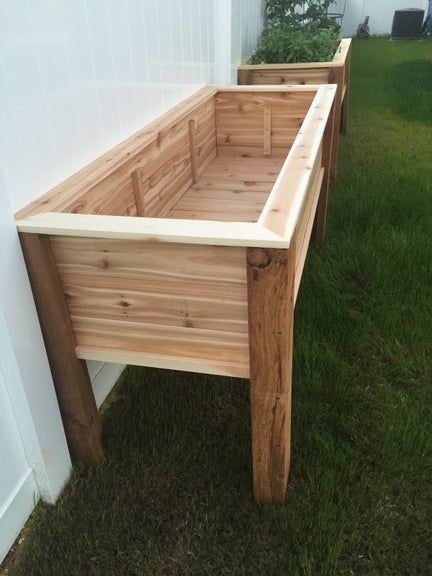
Transform your patio into a lush, green oasis with a wooden raised bed. Not only do they add a touch of rustic charm, but they also offer numerous benefits for your plants and your space. Let's delve into the world of wooden raised beds and explore why they're an excellent choice for your patio.
Why Choose a Wooden Raised Bed for Your Patio?
Raised beds are a fantastic way to create a dedicated gardening space on your patio. Here are some compelling reasons to choose a wooden raised bed:
- Improved Soil Quality: Wooden raised beds allow you to fill them with fresh, nutrient-rich soil, free from weeds and pests that may be present in your patio's existing soil.
- Better Drainage: The elevated design of raised beds promotes better drainage, preventing waterlogging and root rot, which can be detrimental to your plants.
- Easier Access: Raised beds bring your plants to a more comfortable working height, reducing strain on your back and knees.
- Enhanced Aesthetics: Wooden raised beds add a warm, inviting touch to your patio, complementing both modern and traditional outdoor spaces.
Types of Wood for Your Raised Bed
When selecting wood for your raised bed, it's essential to choose a durable, rot-resistant species. Here are some popular options:


| Wood Species | Durability | Appearance |
|---|---|---|
| Cedar | Excellent | Rich, warm tone |
| Redwood | Excellent | Pale, reddish hue |
| Pressure-Treated Lumber | Good | Variable, depending on initial wood species |
While pressure-treated lumber is a more affordable option, it's essential to note that it may contain chemicals that could leach into your soil over time. Opting for naturally rot-resistant woods like cedar or redwood is generally a safer choice for your plants.
Designing and Building Your Wooden Raised Bed
Before you begin construction, consider the size and shape of your raised bed. A depth of 12-18 inches is typically sufficient for most plants, and a width that allows you to reach the center without stepping into the bed is ideal. Here's a simple step-by-step guide to build your wooden raised bed:


- Measure and cut your lumber to the desired dimensions.
- Assemble the sides of the bed using screws or nails, ensuring they're square and level.
- Attach the bottom of the bed, if desired. While not always necessary, a bottom can help retain moisture and prevent soil from spilling out.
- Position the bed on your patio, ensuring it's level and stable.
- Fill the bed with a mix of high-quality topsoil, compost, and other organic matter, leaving space for your plants.
Caring for Your Wooden Raised Bed
With proper care, your wooden raised bed can last for years. Here are some tips to maintain your bed's longevity:
- Regularly Inspect: Keep an eye out for signs of rot or damage, and address any issues promptly.
- Stain or Seal: Apply a natural, plant-safe stain or sealant to protect the wood and enhance its appearance.
- Monitor Soil Levels: Top up your soil as needed to maintain the bed's height and prevent it from settling over time.
Incorporating a wooden raised bed into your patio design not only enhances your outdoor space but also creates an ideal environment for your plants to thrive. By choosing the right wood, designing your bed carefully, and providing proper care, you'll enjoy the fruits of your labor for seasons to come.




Related Articles

"Planting Ideas for Raised Garden Beds: Elevate Your Gardening Game"
Embarking on a gardening journey? Raised garden beds offer numerous benefits, from improved soil control to easier maintenance. Let's delve into some inspiring...

Elevate Your Gardening: Free PDF Plans for Raised Garden Beds
Are you looking to transform your outdoor space into a lush, productive garden? Elevated garden bed plans can help you achieve this, offering numerous benefits...

Metal Raised Garden Bed Ideas: Elevate Your Gardening Game
Elevate your gardening game with metal raised garden bed ideas that are not only functional but also add a touch of industrial charm to your outdoor space...

"Raised Garden Bed Box Ideas: Elevate Your Gardening Game"
Raised garden bed boxes have become increasingly popular among gardeners and homeowners alike, offering a multitude of benefits such as improved soil quality...

"Portable Raised Garden Bed Ideas: Elevate Your Gardening Game"
Are you eager to start your own garden but limited by space or mobility? Portable raised garden beds might just be the perfect solution for you. These...

"Raised Patio Landscape Ideas: Elevate Your Outdoor Space"
Elevate your outdoor living space with these captivating raised patio landscape ideas. A raised patio not only adds visual interest but also provides...