"Where to Plant Sedum: A Comprehensive Guide"
Sedum, a genus of succulent plants, is a gardener's delight due to its low-maintenance nature and vibrant, long-lasting blooms. Whether you're aiming to create a lush green space or a stunning rock garden, sedum offers a wide variety of species that can thrive in diverse conditions. But where exactly should you plant sedum? Let's explore the ideal locations for these hardy plants, considering factors like sunlight, soil, and climate.
Understanding Sedum's Sunlight Needs
Most sedum species are sun-loving plants, thriving in full sun to partial shade. They originate from various regions, including the Mediterranean, Europe, and North America, where they've evolved to withstand intense sunlight and heat. However, some varieties can tolerate a bit of shade, making them versatile for different garden settings.
- Full Sun (6 or more hours daily): Ideal for most sedum species, such as 'Autumn Joy', 'Angelina', and 'Dragon's Blood'.
- Partial Shade (4-6 hours daily): Suitable for shade-tolerant varieties like 'Vera Jameson' and 'Blue Spruce'.
Assessing Your Soil: Sedum's Preferences
Sedum plants are quite adaptable when it comes to soil, but they generally prefer well-draining soil with a slightly alkaline pH. They can tolerate poor, rocky soil and even thrive in cracks and crevices, making them excellent choices for rock gardens and xeriscaping.


However, avoid planting sedum in waterlogged soil, as it can lead to root rot. If your soil is heavy or poorly draining, consider planting sedum in raised beds or incorporating gravel and sand to improve drainage.
Climate Considerations for Sedum Planting
Sedum's hardiness ranges from zones 3 to 11, depending on the species. Some are evergreen, while others are deciduous and go dormant during winter. When selecting sedum for your garden, choose varieties that are well-suited to your climate to ensure their longevity and success.


Cold-hardy Sedum for Northern Gardens
For gardens in colder regions, consider planting cold-hardy sedum species like 'Autumn Joy', 'Matrona', and 'Angelina'. These varieties can withstand freezing temperatures and provide interest throughout the seasons.
Heat-loving Sedum for Southern Gardens
In warmer climates, opt for heat-tolerant sedum varieties such as 'Dragon's Blood', 'Blue Spruce', and 'Vera Jameson'. These plants thrive in hot, sunny conditions and require minimal water once established.
Planting Sedum in Containers and Beds
Sedum can be grown in both containers and garden beds, making them versatile choices for various landscaping projects. When planting sedum in containers, ensure the pot has drainage holes to prevent waterlogging. Use a well-draining cactus or succulent mix, and provide adequate sunlight as mentioned earlier.


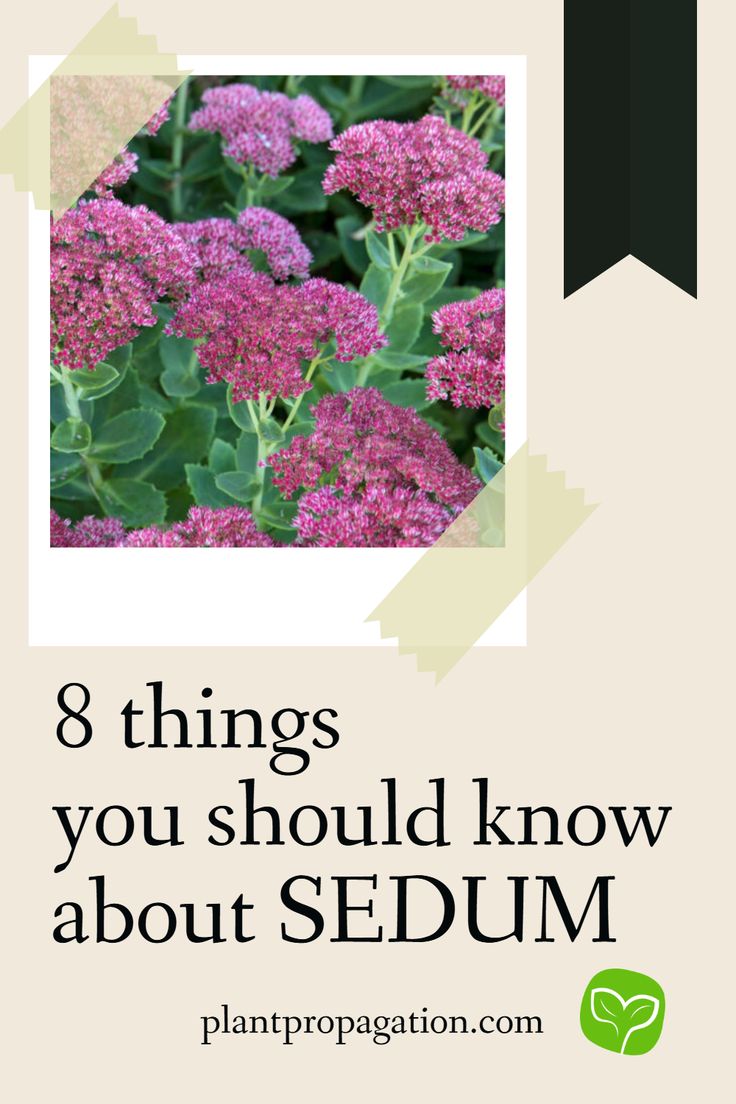
For garden beds, space sedum plants 12-18 inches apart, depending on the variety's mature size. This allows for proper air circulation and encourages healthy growth. Plant sedum at the same depth as they were in their original containers, ensuring the crown (base of the plant where leaves meet the stem) is level with the soil surface.
Creating a Stunning Sedum Display: Design Ideas
Sedum's low-growing habit, diverse foliage colors, and long-lasting blooms make them excellent choices for creating visually appealing gardens. Here are some design ideas to help you make the most of your sedum plants:
- Rock Gardens: Sedum's ability to thrive in rocky, well-draining soil makes them perfect for rock gardens. Combine different sedum varieties with other low-growing plants, such as creeping thyme and moss, for a lush, textured landscape.
- Ground Covers: Many sedum species make excellent ground covers, spreading quickly to form a dense mat that suppresses weeds and conserves moisture. Use them to cover large areas or fill in gaps between other plants.
- Container Gardens: Create striking container gardens by combining sedum with other succulents, annuals, or perennials. Choose containers with drainage holes and use a well-draining soil mix to ensure the health of your plants.
- Sedum Carpets: For a dramatic effect, plant sedum in large swaths to create a living carpet of color and texture. This approach works well in both residential and commercial landscapes, providing a low-maintenance, visually appealing solution.
Incorporating sedum into your garden design offers numerous benefits, from low-maintenance beauty to habitat creation for pollinators and other beneficial insects. By understanding where to plant sedum and selecting varieties suited to your climate and garden setting, you'll enjoy a vibrant, long-lasting display that requires minimal effort.


Related Articles

"Where to Plant Your Citrus Tree: A Comprehensive Guide"
Planting a citrus tree can be a rewarding experience, as these trees not only provide fresh, delicious fruit but also add a vibrant, tropical touch to your...

"Plant & Care for Cannas: A Comprehensive Guide"
How to Plant and Care for Cannas: A Comprehensive Guide Cannas, also known as Canna lilies, are vibrant, tropical plants that add a bold touch of color to any...

"What to Plant Around Lemon Trees: A Comprehensive Guide"
Lemon trees are not only a delightful addition to your garden, but they also provide a wealth of culinary and health benefits. To ensure your lemon tree...

"Plants That Thrive Along Fences: A Comprehensive Guide"
When it comes to enhancing your garden's aesthetic appeal and privacy, planting along a fence can be a rewarding project. Not only does it add a touch of...
Sedum Planting Zones: A Comprehensive Guide
Sedum Planting Zones: A Comprehensive Guide Sedums, often referred to as stonecrops, are a diverse group of succulent plants that are beloved for their...

"Caring for Stonecrop Sedum: A Comprehensive Guide"
Stonecrop sedum, a hardy and versatile succulent, is a delightful addition to any garden or indoor space. With its fleshy leaves and vibrant flowers, it's not...